EXCELLENT Based on 19 reviews
 Posted on Google
 MattTrent has been fantastic throughout the whole project and we have really appreciated his insights, patience and expertise.Posted on Google
 S HAs a local custom builder, we have engaged Trent & the TDM Design team to complete multiple projects. Trent's attention to detail in his design work and general care for his clients is exactly what we love about TDM. If you are a homeowner requiring Drafting services with an Architectural flair for renovation, extension or a new build then TDM is the one.Posted on Google
 Jane McDougallWe couldn't be happier with Trent from TDM Design. From our first meeting, he truly listened and understood not just what we wanted, but how we live and what matters to us. He took our ideas and added real value to them, helping us extend our heritage home in a way that honours its 100-year history while creating the space we need for modern life. The first set of plans he provided us were spot on!! What also impressed us was Trent's expertise in navigating the council approval process. We purchased the property at the end of September, and thanks to his skilful management of both council requirements and neighbour consultations, we had our green light by the end of December. That timeline seemed impossible at the start, but Trent made it happen. Trent project-managed all of the additional services needed to make the project happen. Surveyors, Engineers, and Energy Consultants, all of the same calibre and high standard. Beyond his technical skills, Trent is simply a wonderful person and a joy to work with. He partnered seamlessly with our builder (who recommended Trent), ensuring everyone's voice was heard and ensuring the smooth transition from design to construction. We feel incredibly fortunate to have found Trent and would recommend TDM Design without hesitation.Posted on Google
 Simon WardTrent provided excellent service throughout the Town Planning and Working Drawings stages for our rennovation. He is highly knowledgeable, friendly, and detail-oriented in his approach, and guided us confidently through each step of the process. His communication was clear and consistent from start to finish, and I would highly recommend Trent.Posted on Google
 Grant RobertsonTrent did an amazing design for our renovation. Excellent communication and went above and beyond to even assist with getting the building permit. 10/10!Posted on Google
 Shaun MarlowWe have had the pleasure to work with Trent and team at TDM design for the last 10 years on multiple difference projects. The team has an incredible eye for detail and provides a fantastic service from initial engagement, concepts, planning, dealing with consultants and councils to Final drawings and permits. The team provide outstanding communication and knowledge of the Building codes and council regulations and will always go above and beyond to make sure they can do everything possible to complete a project. We look forward to continuing to work with the team for all future projects.Posted on Google
 Jessica CraigGetting Trent involved in our renovation was hands down the best decision we made. We were completely stuck on how to rework our layout, but Trent came in and quickly figured out the perfect design solution. He took all our ideas on board and transformed them into a plan that not only made sense but maximised the space in ways we hadn’t even considered. His expertise, creativity, and eye for detail made the whole process smooth and exciting. We couldn’t be happier with the outcome, highly recommend Trent to anyone planning a renovation!Posted on Google
 Nicole O'HanlonWe had a really great experience working with Trent, from TDM Design. From the initial consultation to the final drawings, he was professional, detail-oriented, patient and easy to communicate with. He took the time to understand exactly what we wanted, offered helpful suggestions, and delivered quality plans that exceeded our expectations. Trent’s knowledge of local building codes and council regulations was a huge asset, and it really helped streamline the process. We appreciated how responsive and timely Trent was throughout the entire project. We would certainly recommend Trent from TDM Design to anyone looking for a reliable and skilled draftsman. We’ll definitely be using them again!Posted on Google
 Tristan CincottaTrent is a pleasure to work with and the only one I’ll work with. TDM has helped me with many concepts and designs for projects of ours without a glitch and always a successful result with happy clients.Posted on Google
 Pov LuonTrent is professional, attentive, and full of creative ideas, he has an ability to translate vision into a beautiful, functional design was truly impressive. Great guy to work with.Verified by TrustindexTrustindex verified badge is the Universal Symbol of Trust. Only the greatest companies can get the verified badge who has a review score above 4.5, based on customer reviews over the past 12 months. Read more
Council rejection costs you months and thousands in rework fees. That reality drives every extension building plan we create at TDM Design, because Melbourne families deserve better than crossed fingers and second submissions.
Budget drafters and weekend warriors flood Melbourne councils with plans that miss critical setback requirements, ignore heritage overlays, and fumble ResCode compliance. Beautiful drawings that create expensive headaches.
What separates council-compliant extension drafting from pretty pictures:
Three project killers destroy most Melbourne extensions before construction starts: council rejection from non-compliant plans, communication blackouts that leave families guessing, and surprise invoices that demolish budgets halfway through approval processes. We eliminate all three.
Documentation matters more than decoration. Each extension building plan includes structural specifications that work, compliance annotations that councils recognise, and clear technical language that planning officers actually want to read across their desks.
Melbourne’s planning system rewards knowledge over hope, and we’ve spent a decade learning exactly what triggers delays versus what earns green lights across every municipality from Yarra to Bayside.
Families choose TDM Design because we solve extension nightmares before they start. Other drafters may disappear for weeks without updates; we respond to your calls within 24 hours and provide progress reports that mean something.
Residential extension plans are developed with a focus on compliance, functionality, and local planning requirements. Experience across inner Melbourne councils, including Yarra and Boroondara, provides familiarity with heritage overlays, neighbourhood character considerations, and the documentation often required during the approval process.
Your quote covers site assessment, detailed floor plans, elevation drawings, and complete council submission documentation. Zero surprise invoices for "additional compliance work" or "extra revisions" that other drafters may spring on unsuspecting families when projects reach critical stages.
Ten years working exclusively with Melbourne councils teaches you which planning officers prefer specific documentation styles, how each municipality interprets ResCode differently, and exactly what language triggers their standard objection letters.
Extension projects move forward predictably when your drafter understands both technical requirements and local planning culture that governs every approval decision.
Melbourne home extension success starts with documentation that works from day one. House extension floor plans combine precise CAD drafting with practical understanding of how families actually live, cook, and relax in extended spaces.
Site analysis drives everything. Before drawing a single line, we measure existing structures, identify load-bearing walls, assess drainage patterns, map utility connections, and document soil conditions that affect foundation decisions. This upfront investigation prevents costly surprises that ambush other drafters during construction phases.
Planning permission drawings include everything councils need for efficient processing: detailed floor plans with accurate room dimensions, elevation drawings showing neighbourhood context and visual impact, site plans with precise setback measurements, and compliance schedules that reference specific planning provisions by number and section.
Documentation quality separates professional results from amateur attempts. Basic drafters provide generic templates; we create room addition design drawings that account for Melbourne’s clay soil movement, seasonal weather patterns, and council-specific requirements that vary significantly across metropolitan municipalities.
Builders quote accurately from our structural extension plans because technical details match real-world construction requirements rather than theoretical concepts that sound impressive but create problems onsite.
Rear extensions represent 70% of our Melbourne workload, particularly kitchen and living area additions that connect seamlessly with existing home layouts. Experience covers compact galley kitchen extensions through large open-plan living areas that completely transform how families use available space.
Room addition design drawings maximise natural light while maintaining essential privacy from neighboring properties. Single-storey extensions include detailed outdoor integration planning, deck connections that work structurally, window placement that enhances rather than compromises interior functionality, and landscape considerations that create genuine indoor-outdoor living experiences.
Natural light placement separates successful extensions from expensive mistakes. Strategic window positioning, skylight integration, and glass door placement multiply perceived space without compromising structural integrity or neighbourhood privacy concerns.
Second storey additions demand structural engineering coordination that extends far beyond standard residential drafting requirements. Structural extension plans include comprehensive foundation assessments, detailed load calculations, and precise beam specifications that ensure existing homes support additional weight safely and permanently.
Staircase placement determines whether double-storey extensions enhance or destroy ground floor functionality. Architectural drafting services position stairs to preserve valuable living space while meeting strict Building Code requirements for headroom clearances, handrail specifications, and emergency egress access.
Master suite additions, teenage retreat zones, or home office spaces require careful consideration of noise transmission, privacy requirements, and heating efficiency that affects ongoing comfort and utility costs for decades.
Project complexity, council requirements, and budget reality determine whether your extension needs architectural input or specialised drafting expertise that focuses specifically on efficient execution rather than extended design exploration.
Heritage overlays, multi-storey structural modifications, or load-bearing wall removal typically benefit from architectural involvement because spatial relationships and aesthetic integration require design skills beyond standard residential documentation.
Single-storey extensions, kitchen additions, and bathroom renovations are common residential projects across Melbourne. Experienced drafting services can help homeowners prepare plans and documentation suited to council and building approval requirements without overcomplicating the process.
Complex problem-solving versus efficient execution defines the practical difference between architectural services and specialised drafting that focuses on getting construction-ready documentation completed efficiently.
Drafting services cost 60-70% less than full architectural fees for standard extension projects. Focus remains specifically on translating your vision into compliant documentation rather than exploring multiple design concepts through extended consultation phases.
Families who know what they want, specifically more functional space that integrates with their existing home, achieve better value through drafting expertise that emphasises efficient execution over design philosophy discussions.
Budget allocation matters: money saved on documentation fees becomes available for higher-quality materials, better fixtures, or contingency funds that handle unexpected construction issues without project delays.
Building design qualifications and professional indemnity insurance authorise qualified drafters to prepare residential extension drawings for single and double-storey projects under Building Act provisions.
Technical competence versus project approach separates the professions. Architects excel at innovative design solutions and complex spatial challenges; experienced drafters specialise in efficient execution of proven extension types that work reliably across Melbourne’s residential market.
Specialised drafting expertise delivers better value for standard extension projects that prioritise functional outcomes over architectural experimentation.
Five predictable stages move Melbourne extension projects from initial consultation to town planning council approval.
Each phase builds systematically toward approval with clear milestones and client checkpoints that maintain momentum without confusion.
Thorough onsite consultation takes 90 minutes and captures everything needed for accurate documentation. We measure existing structures precisely, identify constraints that affect design options, photograph key areas for reference, and understand exactly how you use current spaces throughout typical days and seasons.
Complete measurements, comprehensive photos, and detailed functional requirements eliminate guesswork during technical development phases. Foundation work prevents miscommunication that derails other projects when families discover drafted plans don’t match their actual requirements.
Clear briefs establish project boundaries that protect budgets and timelines while ensuring final documentation matches your practical needs rather than generic design assumptions.
Preliminary sketches arrive within a couple of weeks, showing two viable extension approaches that work within established budget parameters and site constraints. Practical trade-offs between layout options become clear when you see actual options rather than theoretical possibilities.
Client feedback refines the selected direction through focused revision rounds. Most families need one adjustment cycle to optimise room sizes, window placement, or storage solutions before detailed concept design plans begin.
Collaborative refinement ensures final documentation reflects your priorities while maintaining compliance with council requirements and construction practicalities that affect long-term satisfaction.
Detailed planning permission drawings require 2-3 weeks to complete properly. CAD home extension design produces floor plans, elevations, site plans, and specification schedules that meet council submission standards without requiring clarification requests that delay processing.
Compliance annotations reference specific ResCode provisions by section and subsection, eliminating council queries that extend approval timeframes for projects with incomplete documentation.
Builder-ready specifications enable accurate construction quotes immediately upon council approval, maintaining project momentum through construction commencement without additional documentation delays.
Extension projects fail for predictable reasons that experienced drafters prevent through systematic planning processes. Five consistent issues destroy homeowner plans, but early identification transforms potential disasters into manageable design considerations.
Foundation capacity is an important consideration when planning second-storey additions or major structural changes, as some existing homes may require additional engineering or structural upgrades to support new loads. Early assessment and planning help homeowners better understand potential site constraints, construction requirements, and overall project scope before moving into detailed design stages.
Preliminary engineering assessments during concept phases identify load-bearing modifications, beam requirements, and foundation implications while changes remain inexpensive to implement. Early structural analysis saves thousands in redesign fees and construction surprises.
Engineering coordination ensures extension plans work structurally rather than requiring expensive modifications after council approval when changes become costly and time-consuming.
Neighbour notification requirements affect most Melbourne extensions, and formal objections delay approval by months while creating ongoing relationship problems that affect your enjoyment of completed projects.
Templates and consultation strategies address common neighbour concerns before they escalate into formal council objections. Shadow diagrams, privacy impact assessments, and clear communication demonstrate consideration for adjoining properties while protecting your extension rights.
Proactive documentation prevents objections by addressing legitimate concerns during design phases rather than defending completed plans through formal dispute processes that delay construction and increase professional fees.
Extension possibilities expand naturally as families visualise new space potential, but uncontrolled scope changes destroy budgets and extend approval timeframes beyond practical limits.
Clear project boundaries established during initial consultation and fixed-price quotes covering reasonable design iterations prevent budget blowouts that force families to compromise quality or abandon projects partially complete.
Documentation standards maintain focus on approved objectives rather than allowing extensions to evolve into complete home renovations that exceed original budgets and construction schedules by enormous margins.
Working across Melbourne councils over many residential projects has built a strong understanding of local planning requirements, overlays, and documentation expectations. Careful preparation and attention to detail help support clearer communication throughout the approval process and reduce avoidable complications where possible.
Established relationships with planning officers at Yarra, Boroondara, Melbourne, and Port Phillip councils ensure applications receive proper attention rather than sitting in review queues while other projects receive priority processing.
Performance metrics prove service quality more effectively than testimonials or marketing claims that cannot be verified through actual council outcomes.
Clear communication remains an important part of the process, with regular updates, scheduled meetings, and ongoing coordination helping clients stay informed throughout design, approvals, and project planning. Reliable communication may help reduce uncertainty while managing timelines, contractors, and household disruption.
Reliable communication reduces stress and maintains project momentum through predictable information flow rather than periodic updates when convenient for service providers.
Fifteen years of exclusive Melbourne residential experience develops understanding of local building challenges that interstate drafters miss completely. Clay soil movement patterns, heritage overlay interpretations, and neighbourhood character provisions shape every design decision we make about your extension requirements.
Local knowledge creates room addition design drawings that work with Melbourne’s unique conditions rather than fighting geological, regulatory, and cultural factors that affect construction success and long-term performance.
Contact TDM Design today for your Melbourne home extension drafter consultation and discover why our council-compliant approach delivers the first-time approvals that get your extension project moving forward without delays.
We’re proud to have worked with homeowners and developers across Melbourne’s most sought-after suburbs, including Caulfield South, Hampton, Sandringham, Ormond, Beaumaris, Black Rock and Mornington Peninsula.
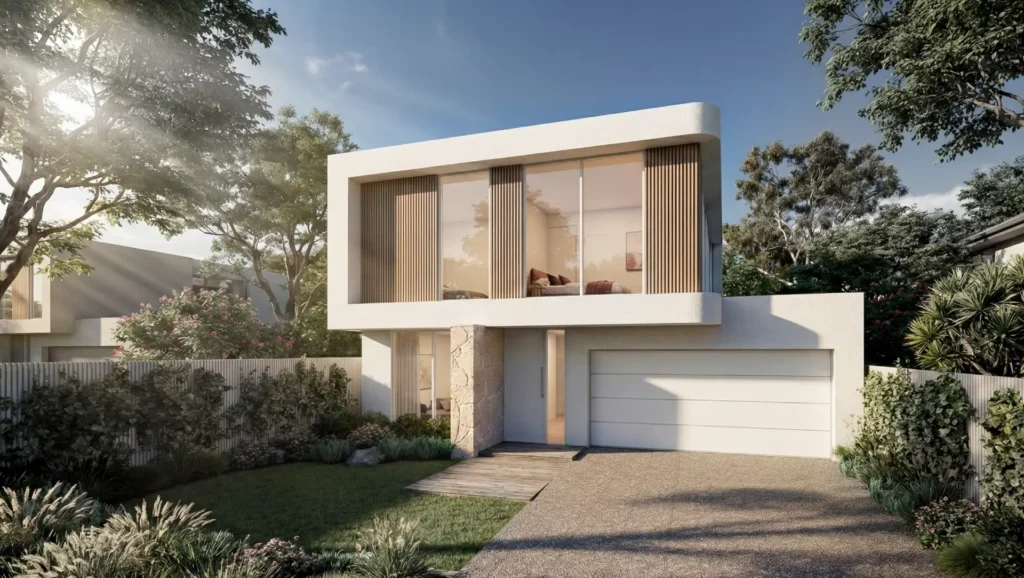
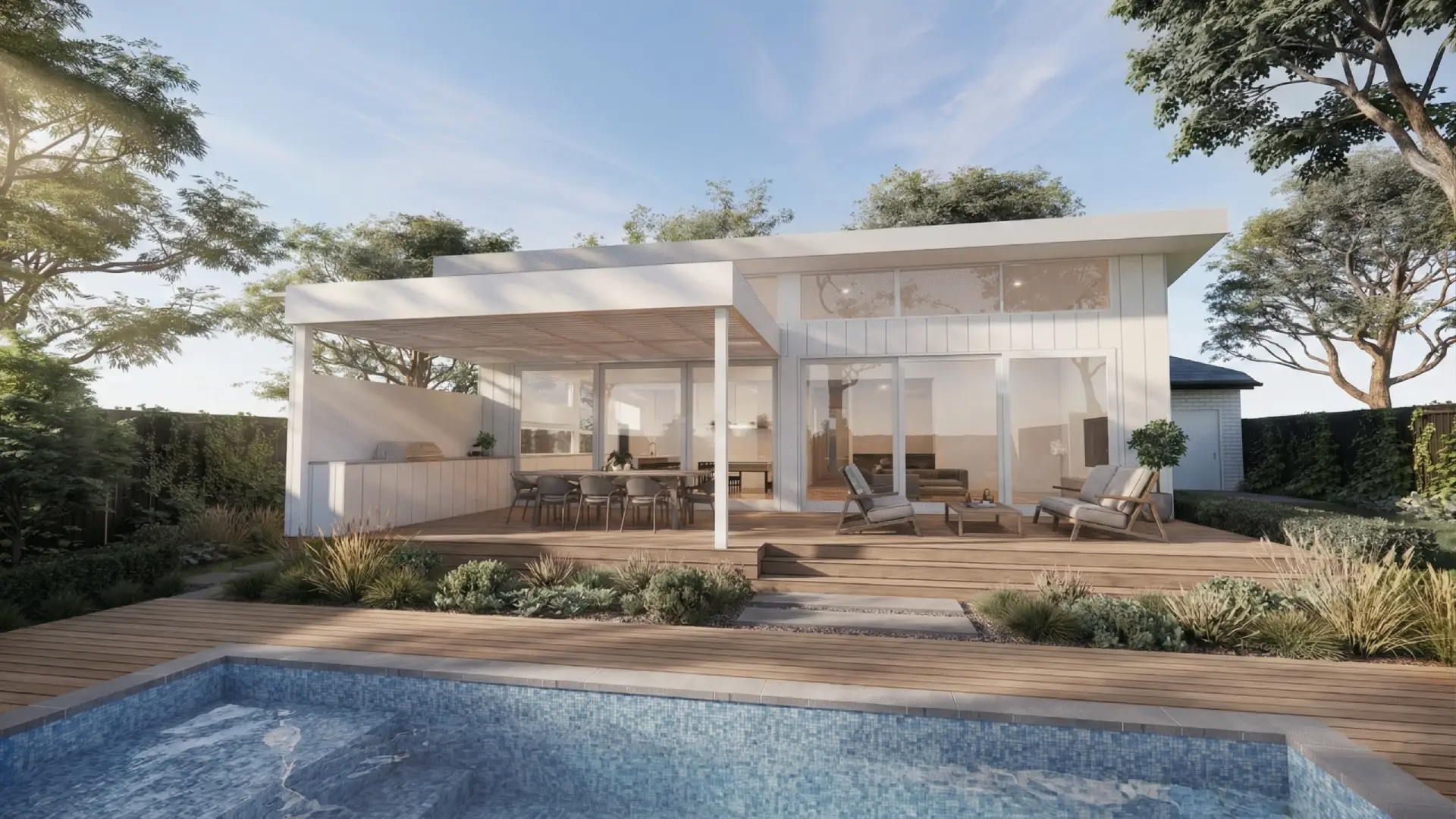
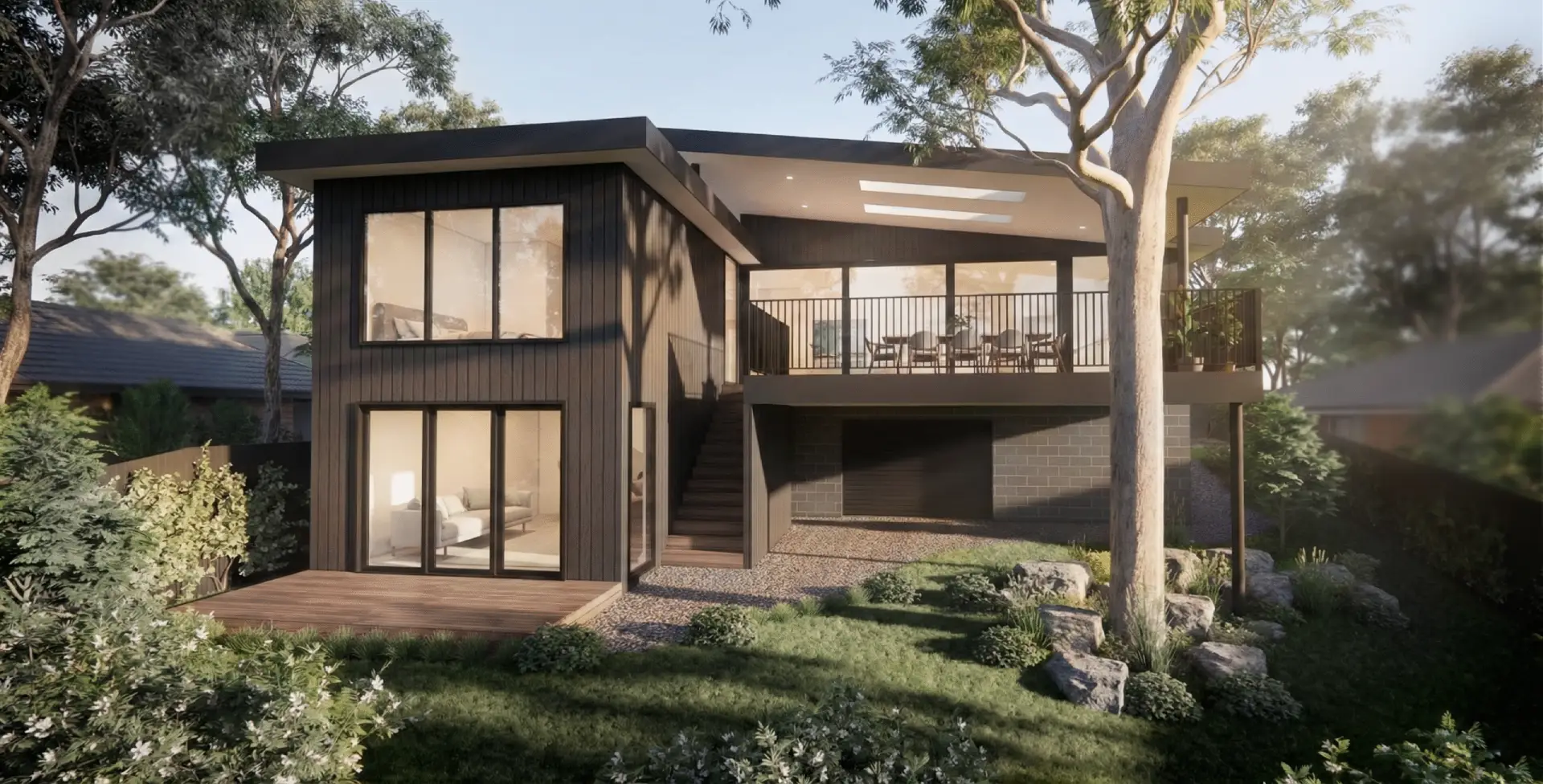
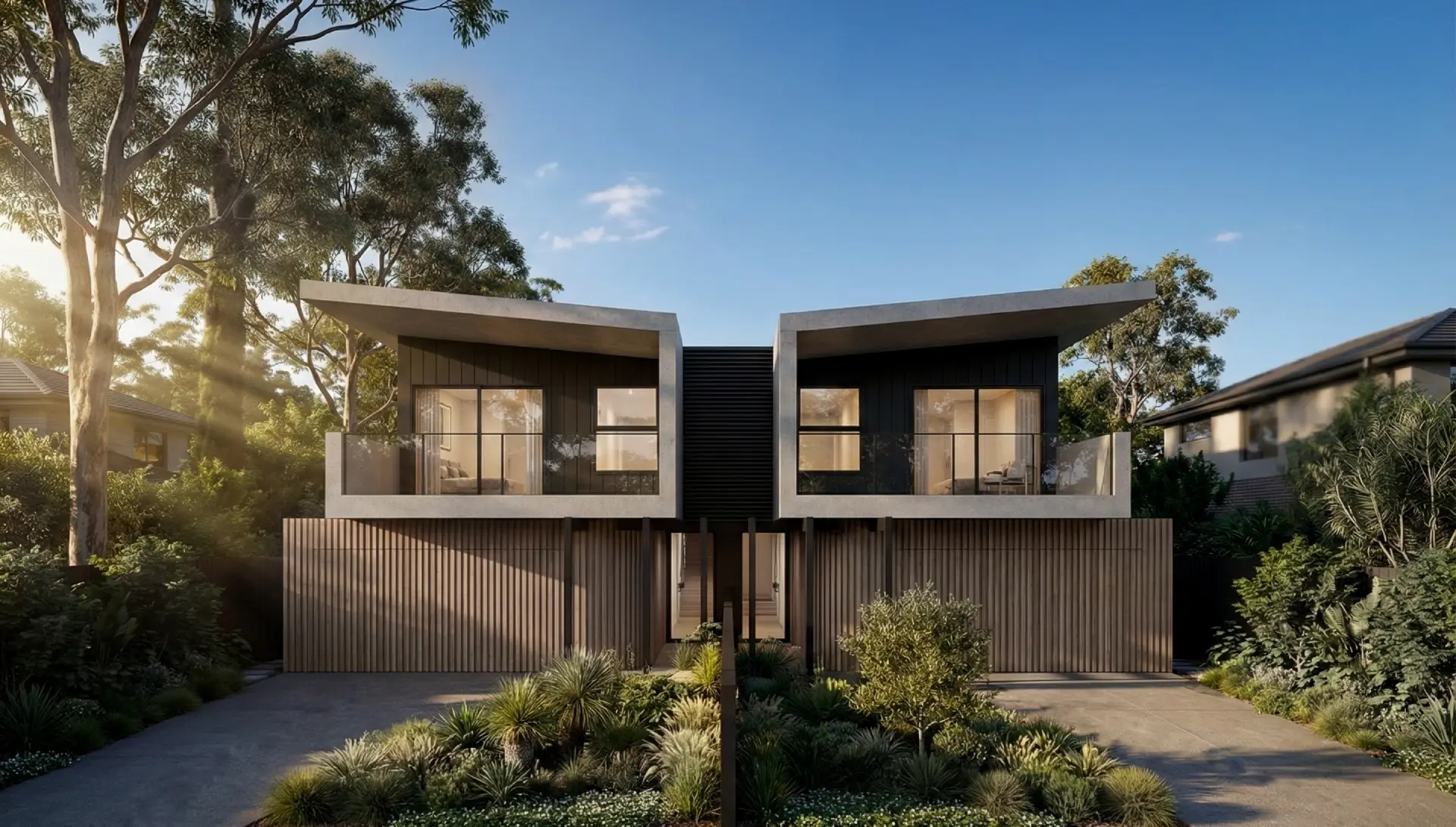
Our projects range from contemporary extensions to bespoke new builds—each one a reflection of the trust our clients place in us.
Yes, drafting services are often more cost-effective than full architectural services for many residential extension projects, depending on the scope and complexity involved.
Extension drafting fees in Melbourne range from $3,000-$15,000 depending on complexity, with additional council and consultant fees typically adding on top of this.
No, qualified draftsmen can handle most single and double-storey extensions, you only need an architect for complex structural work or planning permit applications over certain thresholds.
Approval timeframes vary between Melbourne councils and depend on the complexity of the project, documentation provided, and whether additional information is requested during assessment.
Complete drafting services include concept plans, working drawings, structural plans, site plans, and all documentation required for council submission and building permits.